Massage Therapy
Our Specialized Massage Modalities
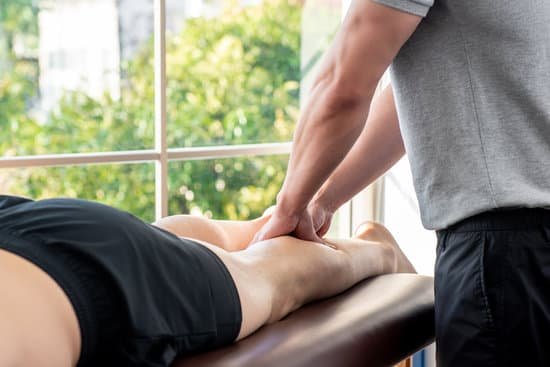
Clinical massage therapy can be highly beneficial when paired with physical therapy and chiropractic treatment.
Our licensed massage therapist uses techniques to target muscle tissue, tendons and fascia, helping to reduce inflammation and ease tension, pain and discomfort in the body, as well as increase blood flow and circulation.
Massage therapy can be effective with preventative care and/or post-injury treatment and can help with faster and stronger recovery.
“Massage therapy on its own has tremendous therapeutic benefits and when administered together with chiropractic and/or physical therapy, the benefits are increased immensely.”
– Kevin Johnson, LMT

Kevin Johnson LMT
Licensed Massage Therapist
Kevin Johnson, LMT graduated from massage therapy school in 2010, and has been licensed by the Ohio State Medical Board since January 2011. Kevin has been an employee of OSSI since 2012. He has worked at the Cleveland Browns Training Facility in Berea and for YSU athletics for their football and basketball teams.
Massage Techniques Utilized
The massage therapy services at Ohio Sports & Spine Institute utilize a variety of clinical techniques aimed at manipulating the body’s soft tissues, including muscles, tendons, and connective fascia. These treatments are designed to alleviate chronic pain, reduce muscle tension, and accelerate recovery from sports-related or industrial injuries. The practitioners employ a combination of manual pressure, specialized stretching protocols, and therapeutic tools to improve circulation and restore functional range of motion. By integrating these diverse approaches with other rehabilitative disciplines, the clinic provides a comprehensive treatment plan tailored to address both acute physical trauma and long-term musculoskeletal issues.
Myofascial release
Pin and stretch massage
Trigger point therapy
Deep tissue massage
Active isolated stretching (AIS)
Proprioceptive Neuromuscular Facilitative (PNF)
Myofascial Cupping
Kinesiotaping
Massage Therapy at Ohio Sports and Spine Institute
Massage Therapy Services
Kevin Johnson, LMT, provides the following services at our Boardman clinic:
- 15-minute massage - $20
- 30-minute massage - $40
- 45-minute massage - $55
- 60-minute massage - $70
- 75-minute massage - $80
- 90-minute massage - $100
Insurance does not cover massage therapy. Payments can be made by check, cash, credit card, Venmo or PayPal.
Frequently Asked Questions About Massage Therapy
A physician’s referral is generally not required to book a massage therapy appointment, as massage therapists in most U.S. states can provide services through direct access without a prescription or referral.
However, there are important exceptions where a referral may be necessary or beneficial:
When a Referral May Be Required:
- Insurance coverage: Many insurance plans that cover massage therapy require a physician’s prescription or referral to qualify for reimbursement, particularly when massage is billed as “medical massage” for a specific diagnosis. [1]
- Workers’ compensation claims: Massage therapy for work-related injuries typically requires documentation from a treating physician as part of the authorized treatment plan.
- Personal injury claims: Similar to workers’ comp, auto accident or liability claims usually require physician authorization.
- Medicare Advantage plans: If massage is a covered supplemental benefit, a referral may be required depending on the plan.
When a Referral Is Not Needed:
- Self-pay or cash-based massage services
- General wellness, relaxation, or maintenance massage
- Most direct-to-consumer massage therapy appointments
While both address muscle tension, Deep Tissue focus on chronic aches and “knots” in deeper muscle layers, whereas Sports Massage is tailored to athletes to improve flexibility, prevent injury, and aid in post-workout recovery.
- Deep tissue massage and sports massage differ primarily in their techniques, intended purposes, and target populations, though there is considerable overlap and inconsistent terminology in the literature.
- Deep Tissue Massage uses specific techniques including oblique pressure, lengthening and cross-fiber strokes, anchor and stretch maneuvers, and freeing muscle from entrapment to address deeper muscle layers and fascial restrictions. [1] The focus is on applying sustained pressure to reach chronic muscle tension, adhesions, and “knots” in deeper tissue layers. [1-2] Deep tissue massage typically applies greater pressure intensity (quantified in one study as 2.50 kPa) compared to lighter massage techniques (1.25 kPa). [3] The primary goal is treating chronic musculoskeletal pain and dysfunction rather than athletic performance enhancement.
- Sports Massage is designed specifically for athletes and focuses on performance optimization, injury prevention, and recovery from exercise. While sports massage may incorporate various techniques including effleurage, petrissage, friction, and deeper pressure work, the application is tailored to the athlete’s training cycle and competitive schedule. Sports massage aims to enhance muscle recovery after strenuous exercise, reduce delayed onset muscle soreness (DOMS), improve flexibility and range of motion, and support psychological well-being. The timing of sports massage (pre-event, inter-event, or post-event) influences the specific techniques and intensity used.
- Key Distinctions: Deep tissue massage primarily targets chronic pain conditions using sustained deep pressure techniques, while sports massage is performance-oriented and adapts techniques based on athletic needs and training phases. However, the literature shows significant methodological limitations and lack of standardization in defining these modalities, making clear distinctions challenging.
For active pain management, we typically recommend a session every 1–2 weeks initially. For general wellness and maintenance, a monthly session is usually sufficient to keep muscles loose and reduce stress.
For chronic low back pain, the evidence supports massage sessions every 1-2 weeks initially for active pain management, though specific optimal dosing protocols remain unclear. The American College of Occupational and Environmental Medicine recommends massage as an adjunct to exercise programs for subacute or chronic low back pain, with objective improvements expected approximately halfway through the treatment regimen to justify continuation. Most studies show benefits are short-term only, with effects diminishing after treatment cessation.
Specific protocols from recent studies:
For delayed onset muscle soreness (DOMS), massage administered at 24, 48, and 72 hours post-exercise significantly reduced muscle soreness at all time points and improved muscle performance. One study using 30-minute massage sessions in bodybuilders showed improved recovery rates when measured at 24, 48, and 72 hours post-exercise. A 2025 trial in combat athletes used six 30-minute recovery sessions over 72 hours (administered at regular intervals) and found both lymphatic drainage and intense sports massage enhanced recovery markers.
For neck pain, a 2025 RCT demonstrated benefit with twice-weekly massage for 12 weeks, though a Cochrane review suggested higher doses (≥8 sessions over 4 weeks) may be needed for subacute-chronic neck pain.
Coverage varies significantly by provider and plan. Some “Medical Massages” are covered if deemed medically necessary by a chiropractor or physician. We recommend calling our office to verify your specific benefits.
Health insurance coverage for massage therapy varies significantly by provider, plan type, and clinical indication, with coverage most likely when massage is deemed medically necessary and prescribed by a physician or chiropractor for specific diagnoses.
Medicare and Medicaid: Traditional Medicare generally does not cover massage therapy, as it is not considered a covered benefit under Part A or Part B. However, some Medicare Advantage plans may include massage as a supplemental benefit. Medicaid coverage varies by state.
Private Insurance: Coverage depends on the specific plan and whether the massage is considered medically necessary. Some plans cover “medical massage” when:
- Prescribed by a physician, chiropractor, or other qualified provider
- Documented as treatment for a specific diagnosis (e.g., chronic low back pain, myofascial pain syndrome)
- Performed by a licensed massage therapist
Workers’ Compensation and Personal Injury: Massage therapy may be covered under workers’ compensation claims when recommended as part of a treatment plan for work-related injuries. The American College of Occupational and Environmental Medicine includes massage as an adjunct treatment option for subacute or chronic low back pain, which may support coverage determinations.
Practical Recommendations for Patients:
- Contact the insurance provider directly to verify specific benefits before scheduling
- Obtain a prescription or referral from a physician or chiropractor if required
- Ensure the massage therapist is licensed and can provide appropriate documentation
- Request procedure codes (CPT codes) that may be used for billing, such as 97140 (manual therapy) when performed by physical therapists
Coverage varies significantly by provider and plan. Some “Medical Massages” are covered if deemed medically necessary by a chiropractor or physician. We recommend calling our office to verify your specific benefits.
Schedule an Appointment
Get started with a consultation to evaluate the source of your pain and the best course of action to alleviate that discomfort