
Summer means more games, more practices, more weekend tournaments — and more injuries. Whether it’s a rolled ankle at soccer practice, a sore shoulder from swimming laps, or a teenager pushing through two-a-days in the heat, summer sports injury recovery is one of the most common reasons people end up in a sports medicine office this time of year.
Below, we explore how sports medicine doctors evaluate and treat the injuries they see most often, and what a smart recovery actually looks like.
What Is Sports Medicine?
Sports medicine is a branch of healthcare focused on preventing, diagnosing, and treating injuries related to physical activity and athletics. A sports medicine physician isn’t just treating the injury in front of them, they’re also looking at what caused it, how to prevent it from happening again, and how to get you back to your sport as safely and quickly as possible.
A sports medicine doctor specializes in the specific demands athletes place on their bodies, understanding the injury as well as the training schedule, sport-specific movements, and performance goals involved.
Why Summer Sports Injuries Spike
A few factors make summer a peak season for sports injuries:
- Increased activity levels at school sports, camps, club teams, and rec leagues
- Heat and dehydration, which increase fatigue and reduce reaction time
- Deconditioning after a break, especially for athletes coming off a slower spring. Lack of acclimatization and poor physical conditioning are established risk factors
- Overuse from repetitive training, particularly in single-sport athletes playing year-round
- Sudden jumps in activity level from adults or athletes whose bodies aren’t conditioned for it
- Sickle Cell Trait is an important intrinsic risk factor for exertional heat illness and exertional collapse that the ACSM and NATA specifically recommend screening for in athletes.
Understanding these risk factors is the first step in both preventing injuries and knowing what to expect if one does happen.
Common Summer Sports Injuries and How They’re Treated
Sprains and Strains
Ankle sprains, hamstring strains, and similar soft tissue injuries are some of the most common injuries sports medicine doctors treat in the summer months. Treatment typically starts with a hands-on evaluation to determine the grade of the injury, followed by relative rest with early functional loading rather than prolonged immobilization, bracing or taping including semirigid ankle braces, which are more effective than elastic wraps or tape alone for acute ankle sprains manual therapy, and a progressive rehab program to restore strength and range of motion before returning to play. Getting moving early, within what the injury can tolerate, generally leads to a faster return to sport than resting it completely.
Overuse Injuries
Overuse injuries like tendinitis, shin splints, and stress fractures develop gradually, often from repetitive motion without adequate recovery time. A sports medicine doctor will evaluate training volume, biomechanics, and technique to identify the source of the overload, then build a treatment plan that addresses both the symptoms and the root cause to prevent future issues.
Concussions
Head injuries are a serious concern in contact sports, and proper concussion management is critical for both immediate safety and long-term brain health. Any athlete with a suspected concussion should be removed from play immediately and should not return to activity the same day, even if symptoms seem to resolve.
Sports medicine doctors use standardized testing to assess concussion severity and guide a structured, step-by-step return-to-play protocol. Current guidance favors early, symptom-limited activity within the first 24 to 48 hours over strict rest, and recommends that athletes fully return to the classroom (return-to-learn) before they return to sport. Most athletes recover within two to four weeks, with many cleared for unrestricted return to sport around the one-month mark, though timelines vary by individual.
Heat-Related Illness
Heat exhaustion and heat stroke are unique summer risks, especially for athletes training outdoors during peak temperatures. Heat stroke is a true medical emergency that can be fatal, the key warning sign that separates it from heat exhaustion is central nervous system dysfunction, such as confusion, altered consciousness, or delirium. When heat stroke is suspected, immediate cold water immersion is the standard of care, and emergency services should be called right away.
A few other conditions, including exercise-associated hyponatremia and exertional collapse associated with sickle cell trait, can look similar to heat stroke but require different treatment, which is why a prompt, proper evaluation matters. Outside of emergencies, sports medicine doctors play a key role in helping athletes and teams recognize early warning signs, adjust hydration and training schedules, and safely return to activity after a heat-related episode.
Knee and Shoulder Injuries
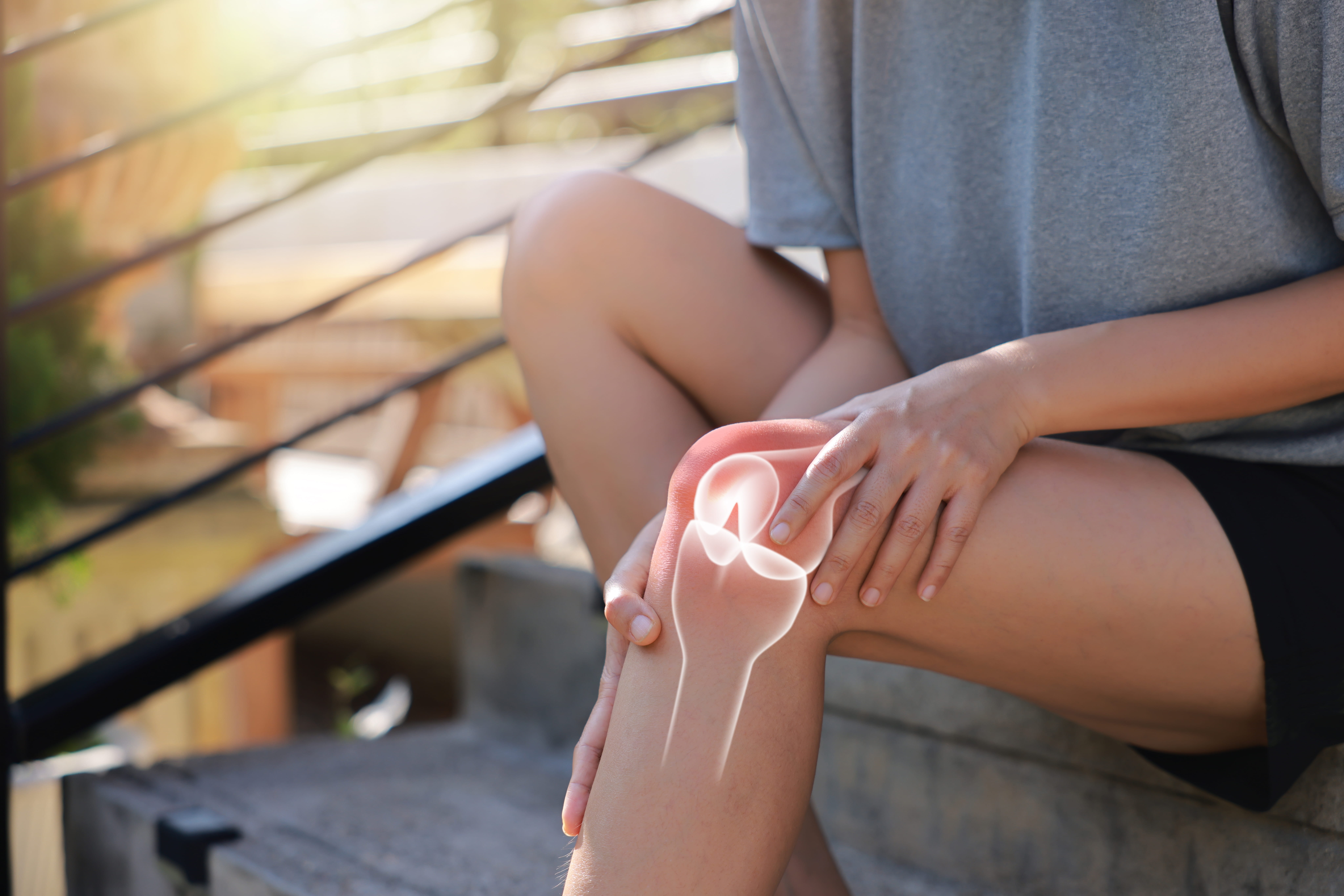
Knee injuries from cutting and pivoting sports, and shoulder injuries from swimming, throwing, or overhead sports, are both common in the summer months. Depending on severity, treatment can range from conservative care such as bracing, physical therapy, and activity modification to further imaging and referral for more significant structural injuries.
How Sports Medicine Doctors Approach Injury Recovery
Athlete injury recovery isn’t a one-size-fits-all process. A sports medicine doctor typically builds a plan around a few key stages:
- Diagnosis a thorough evaluation, and imaging if needed, to understand the exact nature of the injury
- Acute care managing pain and inflammation in the early stages
- Rehabilitation a structured program to restore strength, mobility, and stability
- Return-to-play progression a gradual, sport-specific process to make sure the athlete is truly ready, not just pain-free
This approach to sport injury and rehabilitation is what separates a sports medicine doctor from simply “waiting it out.” The goal isn’t just to get you moving again, it’s to reduce the risk of re-injury, which is especially important for athletes who plan to keep competing throughout the season.
Athletic injury recovery timelines vary significantly depending on the injury, the athlete’s age and conditioning, and how early treatment begins. This is why early evaluation matters: a sprain treated appropriately in week one often recovers faster than one that’s ignored for a month.
How to Recover from a Sports Injury the Right Way
If you’re wondering how to recover from a sports injury without making it worse, a few principles apply across almost every type of injury:
- Don’t play through pain. Pushing through an injury almost always extends recovery time.
- Get an accurate diagnosis early. Recovering from a sports injury starts with knowing exactly what you’re dealing with.
- Follow a structured rehab plan, rather than guessing at exercises or stretches on your own.
- Progress gradually. Jumping back to full intensity too soon is one of the most common causes of re-injury.
- Listen to your body, not just the calendar. Recovering from a sports injury is a process, not a fixed timeline.
Knowing how to handle sports injuries early on, rather than hoping they resolve on their own, is often the difference between a two-week recovery and a two-month one.
Tips for a Safe Return to Sports This Summer
Once you’re cleared to return to activity, easing back in matters just as much as the initial treatment. Our article on 5 tips for a safe, healthy return to sports breaks down practical steps for getting back into your sport without setting yourself up for a repeat injury.
When to See a Sports Medicine Doctor
Not every ache needs a doctor’s visit, but you should consider scheduling an evaluation if you’re experiencing:
- Pain that doesn’t improve after a few days of rest
- Swelling, bruising, or visible deformity
- Pain that affects your ability to walk, run, or use the joint normally
- Numbness, tingling, or a joint that locks or catches
- Recurring injuries in the same area
- Any head injury with symptoms like confusion, dizziness, or headache
Not sure where to start? Our Where Does It Hurt tool can help point you toward the right type of care based on your symptoms.
Frequently Asked Questions
What does a sports medicine doctor treat?
Sports medicine doctors treat a wide range of injuries related to physical activity, including sprains, strains, overuse injuries, concussions, and joint injuries, along with providing guidance on injury prevention and performance.
How is a sports medicine doctor different from an orthopedic doctor?
The distinction isn’t strictly surgical versus non-surgical. Sports medicine physicians can come from a non-surgical background family medicine, internal medicine, emergency medicine, pediatrics, or physical medicine and rehabilitation or from orthopedic surgery, since many orthopedic surgeons also complete sports medicine fellowship training. Non-surgical sports medicine physicians tend to focus on the whole athlete, including training load and biomechanics, while orthopedic sports medicine surgeons provide both surgical and non-surgical care for bone, joint, and soft tissue conditions. Many injuries are co-managed between both.
How long does sports injury rehabilitation usually take?
Recovery timelines vary widely depending on the injury and the athlete, ranging from a few days for a mild strain to several months for more significant injuries requiring structured rehabilitation.
When can an athlete return to play after an injury?
Return-to-play timing depends on the specific injury and is typically guided by a structured progression through pain-free movement, strength testing, and sport-specific drills, rather than a fixed date.
Can sports medicine help with injury prevention, not just treatment?
Yes. A significant part of sports medicine involves identifying risk factors like training load, technique, and conditioning gaps to help prevent injuries before they happen.
Get Back in the Game, Safely
Summer sports injuries don’t have to sideline you for the whole season. Our sports medicine team can help you get an accurate diagnosis, build a recovery plan built around your goals, and get you back to the activities you love with confidence. Schedule your appointment today and take the first step toward a safe, complete recovery.