
Bringing a baby into the world asks a lot of your body, but the recovery doesn’t end when you leave the hospital. Many new moms deal with lingering issues like leaking urine when they sneeze, pelvic pressure, lower back pain, or discomfort during intimacy for months (sometimes years) after delivery. These aren’t things you simply have to live with. Pelvic floor therapy is one of the most effective tools for postpartum recovery, and it’s backed by both physical therapists and OB-GYNs as a standard part of healing after childbirth.
At Ohio Sports & Spine, we work with new moms throughout the Mahoning Valley to rebuild strength, resolve pain, and get back to daily life with confidence. Here’s what pelvic floor therapy involves, how it supports postpartum recovery, and what you can expect from your first visit.
What Is Pelvic Floor Therapy?
Pelvic floor therapy is a specialized form of physical therapy focused on the muscles, ligaments, and connective tissue that support your bladder, uterus, and rectum. During pregnancy and childbirth, these muscles stretch, weaken, and sometimes tear, which is why so many postpartum symptoms trace back to the pelvic floor rather than the back or abdomen alone.
A pelvic floor physical therapist evaluates how these muscles are functioning and builds a treatment plan to restore strength, coordination, and flexibility. This isn’t the same as general postpartum exercise – it’s targeted, one-on-one care with a licensed clinician trained specifically in this area of the body.
How Does Pelvic Floor Therapy Work?
Treatment typically starts with an internal and external evaluation to assess muscle strength, tension, and coordination. From there, your therapist may use:
- Manual therapy to release tight or overactive muscles
- Biofeedback to help you learn to properly engage or relax the pelvic floor
- Targeted exercises (often more nuanced than a basic kegel routine)
- Breathing and core coordination work to support the whole system, not just one muscle group
Every plan is built around your specific symptoms and delivery experience, vaginal birth, C-section, and multiple births can all present differently. If you experienced pelvic pain during pregnancy as well, your therapist may also reference care you received before delivery, since physical therapy during pregnancy often sets the stage for a smoother postpartum recovery.
Why Postpartum Recovery Needs More Than Rest
The standard advice after childbirth is often just “rest and give it time.” But rest alone doesn’t retrain muscles that have been stretched to their limit or address scar tissue from a tear or C-section incision. Without guided postpartum recovery support, it’s common for issues like diastasis recti (abdominal separation), pelvic organ prolapse, or chronic low back pain to persist well beyond the six-week postpartum checkup – sometimes for years.
Pelvic floor therapy fills that gap. It gives your body a structured, hands-on recovery process instead of leaving healing to chance.
What Does Pelvic Floor Therapy Entail Postpartum?
For new moms specifically, postpartum pelvic floor therapy typically addresses:
- Urinary leakage (stress incontinence) when coughing, laughing, or exercising
- Pelvic pressure or a feeling of heaviness
- Pain during intercourse
- Diastasis recti and core weakness
- Scar tissue mobility after a C-section or perineal tear
- Lower back, hip, or tailbone pain
If any of these sound familiar, it’s worth knowing they’re common — but common doesn’t mean permanent. For a fuller picture of related symptoms and treatment options, our guide on signs, symptoms, and treatment for pelvic floor dysfunction breaks it down further. (And while this article focuses on postpartum recovery, pelvic floor dysfunction isn’t limited to women, we also cover pelvic floor dysfunction in men, if that’s relevant to your household.)
How Long Is Postpartum Recovery With Pelvic Floor Therapy?
There’s no single timeline, since recovery depends on your delivery type, symptom severity, and consistency with home exercises. That said, many patients notice meaningful improvement within 6–12 weeks of consistent postpartum PT, with a full course of care often spanning a few months. Your therapist will reassess regularly and adjust your plan as your strength and symptoms change.
Postpartum Recovery Exercises You Might Do in PT
Postpartum recovery exercise in a clinical setting looks different from generic online workouts. Depending on your evaluation, your therapist might guide you through:
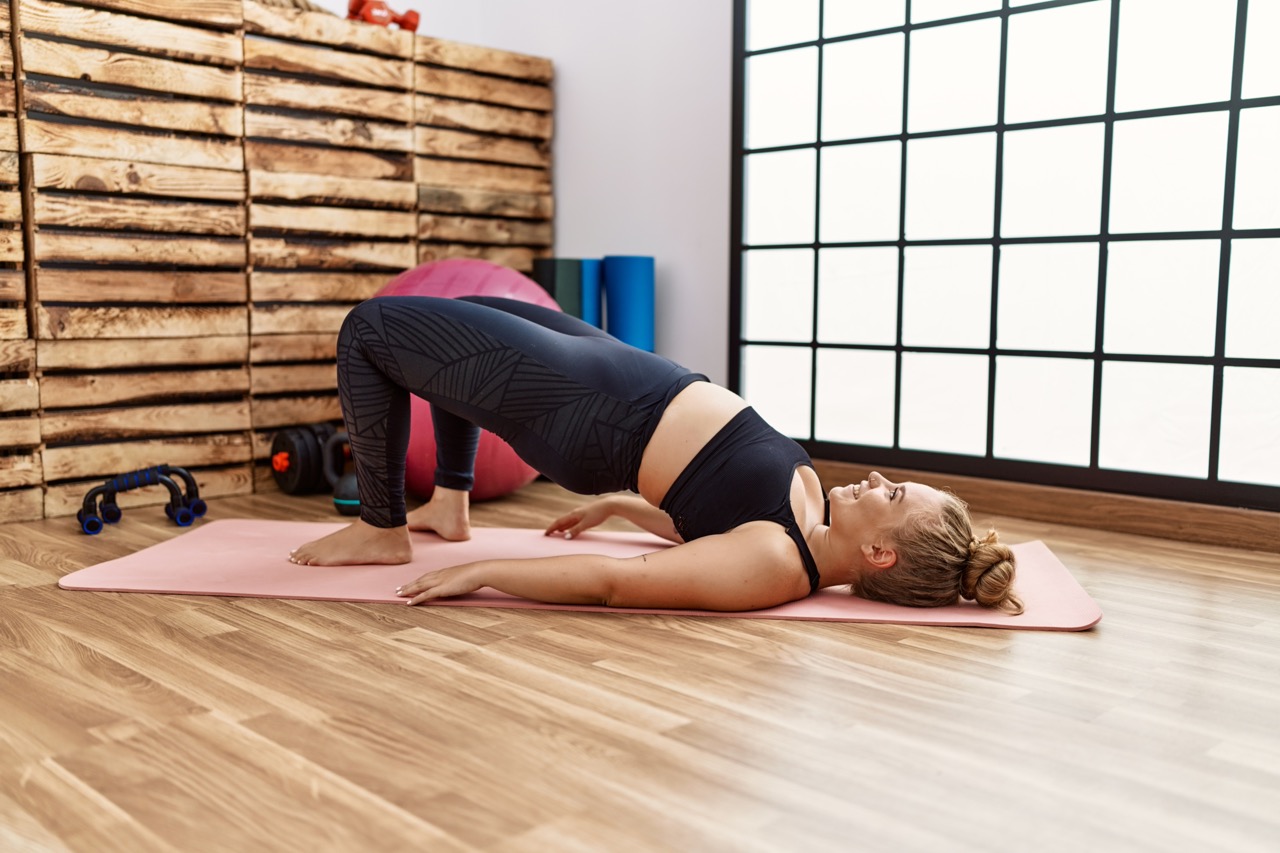
- Diaphragmatic breathing to reconnect breath with core engagement
- Gentle pelvic floor contraction and relaxation drills
- Progressive core stabilization exercises
- Hip and glute strengthening to support pelvic alignment
- Gradual return-to-exercise programming if you’re working back toward running or lifting
The goal isn’t to rush you back to your pre-baby workout, it’s to rebuild the foundation so you can return to activity without pain or setbacks.
Is Pelvic Floor Therapy Covered by Insurance?
In most cases, yes, pelvic floor physical therapy is typically covered under standard physical therapy benefits, though coverage details (copays, visit limits, referral requirements) vary by plan. Our team can help verify your benefits before your first visit so there are no surprises.
Pelvic Floor Therapy: What to Expect at Your First Visit
Your first appointment will include a conversation about your delivery, symptoms, and goals, followed by a physical evaluation of your pelvic floor, posture, and core function. It’s a judgment-free, private setting. Your therapist will explain everything before doing anything, and you’re always in control of the pace. From there, you’ll leave with a personalized plan and a few exercises to start at home.
Postpartum PT FAQs
How soon after birth can I start pelvic floor therapy?
Many patients begin around 6 weeks postpartum, after clearance from their OB or midwife, though timing can vary based on your delivery and recovery.
Do I need a referral for postpartum physical therapy?
It depends on your insurance plan; some allow direct access to a physical therapist, while others require a referral. We can help you sort this out.
Will pelvic floor therapy hurt?
Treatment is designed to be gentle and communicative. Some techniques may cause mild, temporary discomfort, but your therapist will always work within your comfort level.
Can pelvic floor therapy help after a C-section, not just vaginal birth?
Yes. C-section recovery involves its own considerations, including scar tissue and abdominal wall healing, both of which pelvic floor PT addresses.
What if it’s been years since I had my baby? Is it too late for postpartum pelvic floor therapy?
It’s never too late. Many patients seek treatment long after delivery once symptoms start interfering with daily life, and therapy can still be highly effective.
Start Your Postpartum Recovery Today
You don’t have to accept leaking, pain, or pressure as “just part of motherhood.” Pelvic floor therapy offers a clear, guided path back to feeling strong in your body. Schedule an appointment with our team or learn more about our pelvic floor physical therapy program to get started.