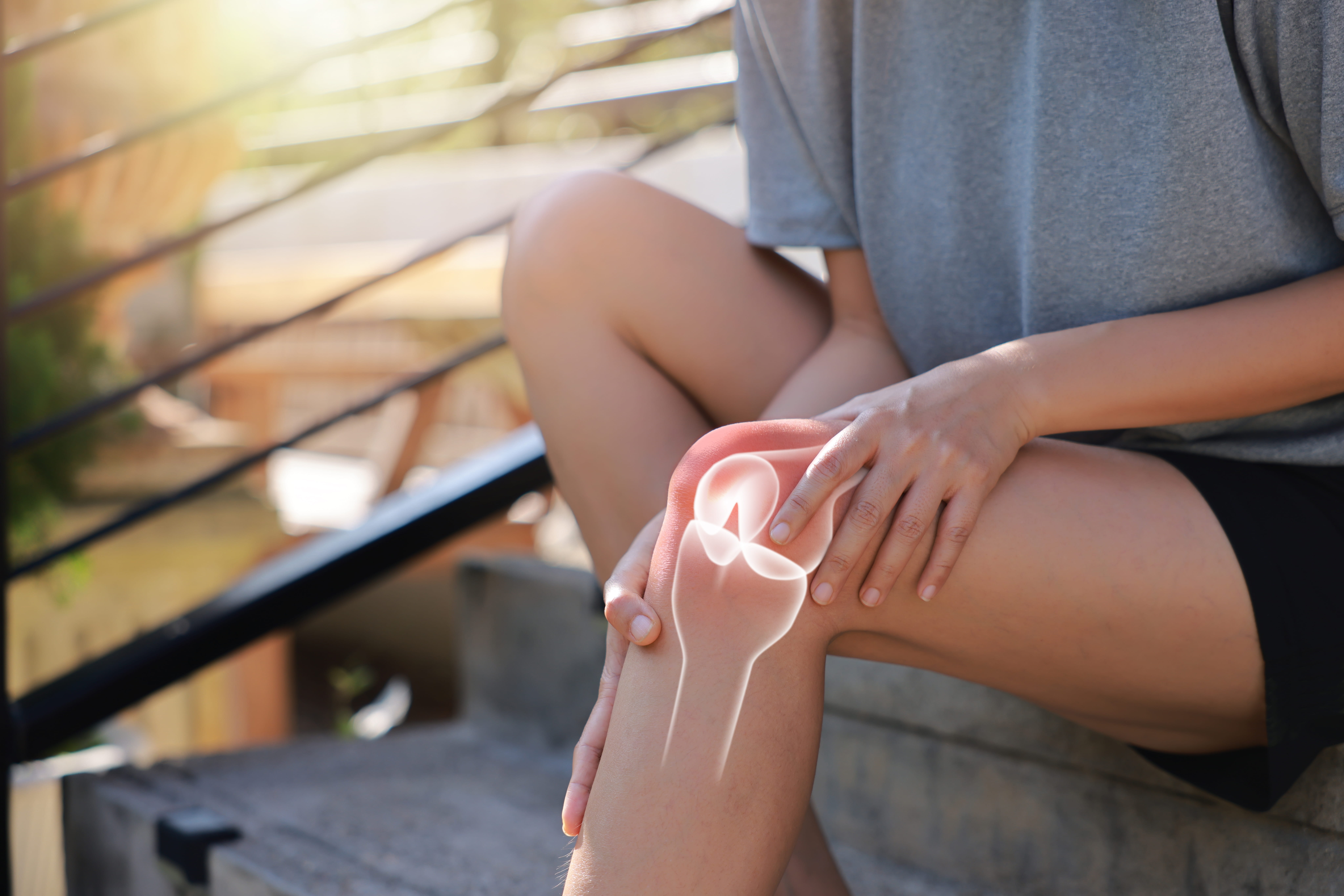
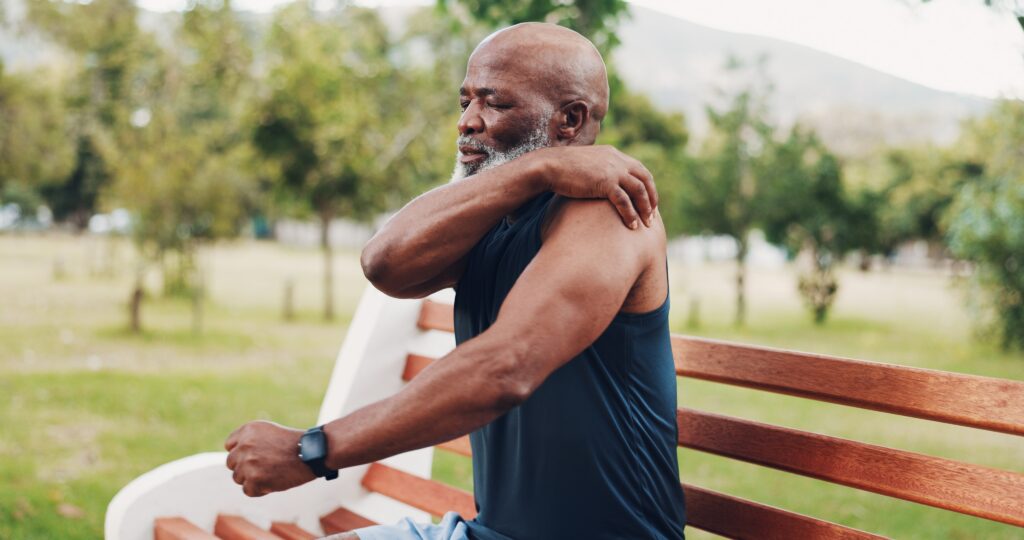
Whether you’ve just hit a personal best at the gym or started a new weekend hiking routine, that familiar post-workout tightness, often called Delayed Onset Muscle Soreness (DOMS), is a sign that you’ve challenged your body.
While some soreness is a natural part of building strength, you don’t have to just “tough it out.” At Ohio Sports & Spine Institute, our goal is to help you recover efficiently so you can get back to the activities you love. Here is a guide on what to take for sore muscles after working out.
Prioritize Proper Hydration and Electrolytes
Before reaching for the medicine cabinet, prioritize filling up your water bottle. Dehydration can intensify muscle cramps and fatigue. When you sweat, you lose more than just water; you lose essential minerals like sodium, potassium, and magnesium.
What to take: An electrolyte-rich drink or a simple pinch of sea salt and lemon in your water can help restore the mineral balance your muscles need to repair themselves.
Magnesium: The Relaxation Mineral
Magnesium plays a critical role in muscle contraction and relaxation. Many athletes are unknowingly deficient in magnesium, which can lead to increased muscle tension and spasms.
What to take: Oral magnesium glycinate is often recommended for muscle recovery as it is highly absorbable. Alternatively, an Epsom salt bath (magnesium sulfate) allows your muscles to soak in the minerals directly, promoting relaxation and reducing inflammation.
Anti-Inflammatory Support
For significant discomfort, over-the-counter options can help manage the inflammatory response.
What to Take: Non-steroidal anti-inflammatory drugs (NSAIDs) like ibuprofen can reduce pain. However, these should be used sparingly, as some inflammation is actually necessary for the muscle-building process.
Natural Alternatives: Consider incorporating Turmeric (curcumin) or Omega-3 fish oils into your daily routine. These natural anti-inflammatories help manage inflammation over time without the side effects.
Protein and Amino Acids
Your muscles are quite literally made of protein. After a workout, your muscle fibers have small micro-tears that need “bricks” to rebuild.
What to take: A high-quality whey or plant-based protein shake within 30-60 minutes of exercise provides the amino acids necessary for repair. Specifically, BCAAs (Branched-Chain Amino Acids), leucine, isoleucine, and valine, have been shown to reduce the severity of DOMS.
Beyond “Taking” Something: The OSSI Approach
At Ohio Sports & Spine Institute, recovery can be found in how you move and treat your body. If your soreness is persistent or limiting your range of motion, consider these evidence-based therapies:
Medical Massage Therapy
Our licensed massage therapists use specific techniques to increase blood flow and circulation, flushing out metabolic waste and easing trigger points.
Chiropractic Care
Sometimes “muscle” pain is actually a result of joint misalignment or poor biomechanics. Our chiropractors ensure your spine and extremities are moving correctly to prevent future overuse injuries.
Active Recovery & Physical Therapy
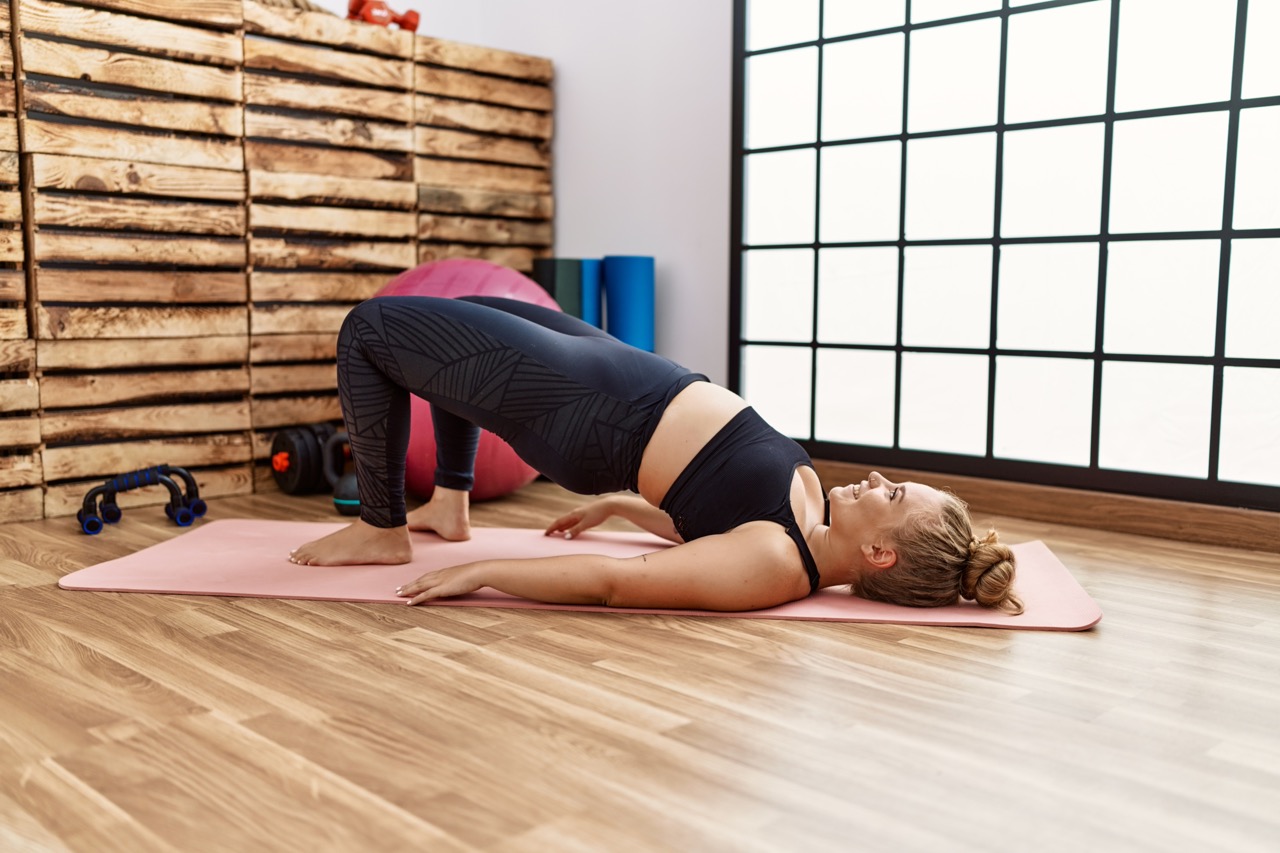
At OSSI, our patients have specific physical therapy guidelines for mobility and flexibility training to “move better.” Often, light movement is the fastest way to clear soreness rather than total rest.
When to See a Professional
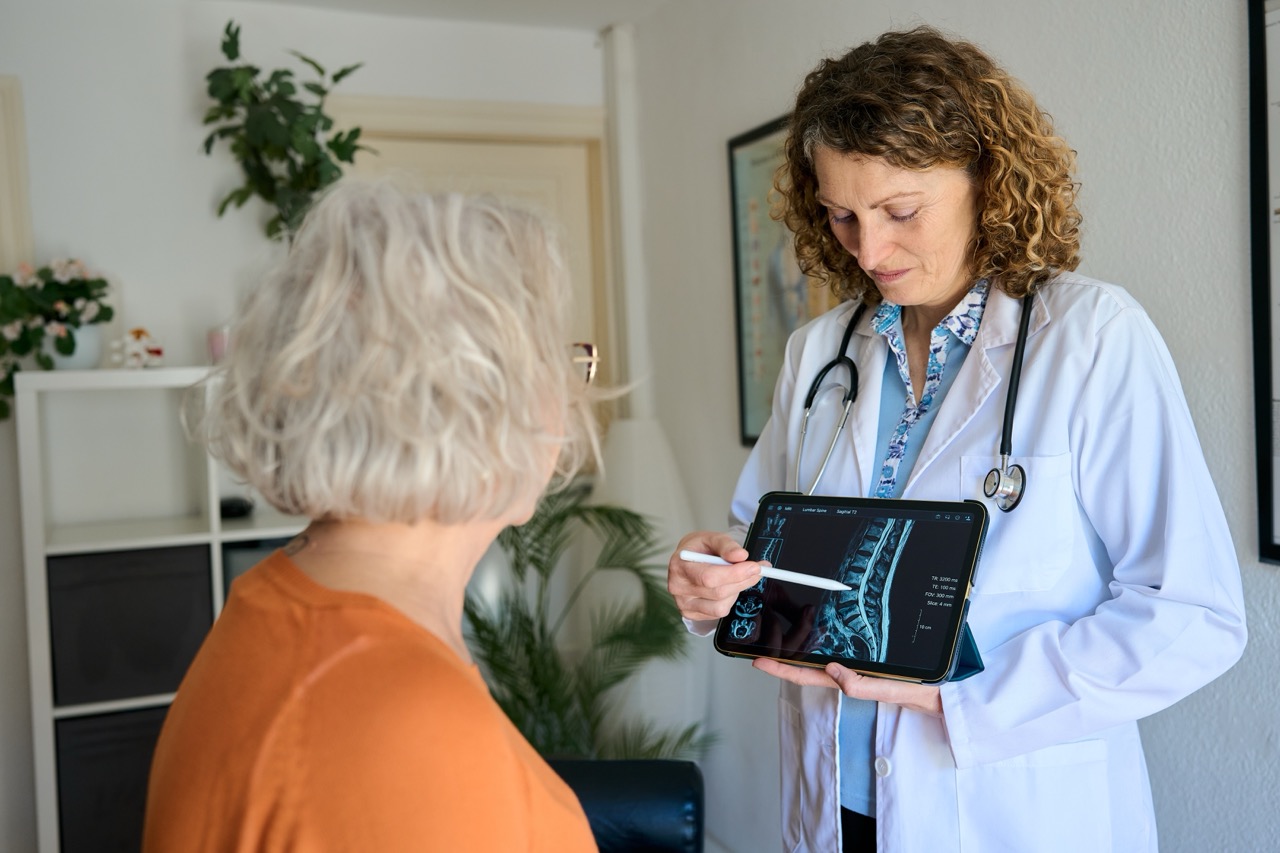
While soreness is normal, pain is a warning sign. If you experience sharp pain, swelling that doesn’t go down, or soreness that lasts longer than 72 hours, it may be time for a professional evaluation.
Our teams at Boardman, Howland, and East Liverpool are here to provide individualized, patient-centered care. Don’t let muscle soreness sideline you, let’s get you back to your active lifestyle safely and quickly.
Ready to feel better? Schedule an appointment with one of our specialists today.