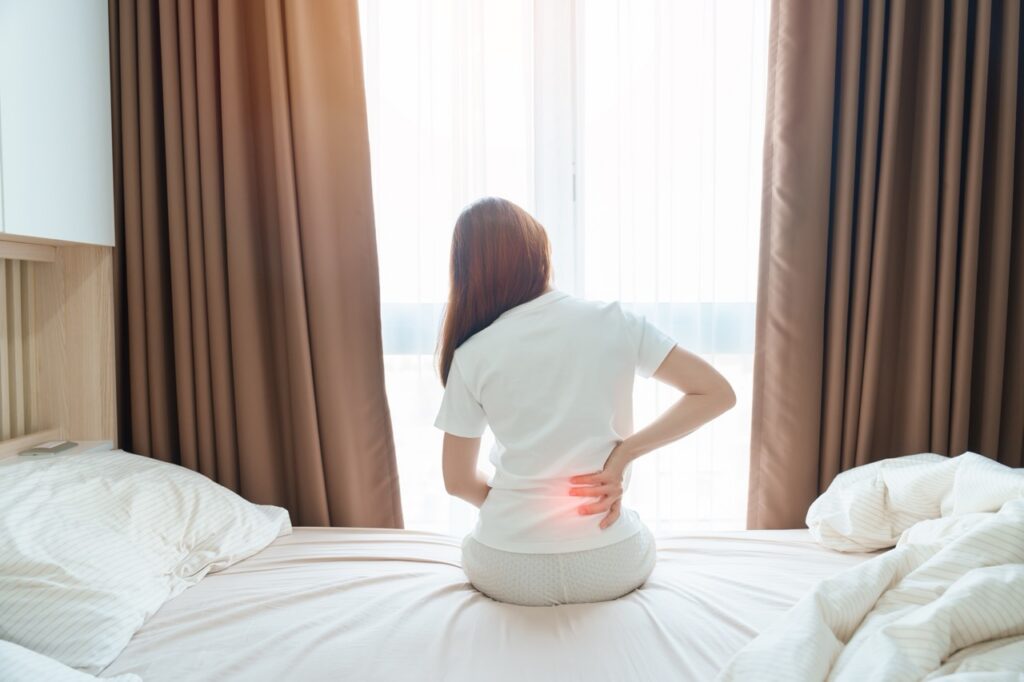
Low back pain is one of the most common reasons people in Ohio visit a spine specialist — and for good reason. Whether it comes on after a long day at work, flares up during a weekend game, or seems to appear out of nowhere, back pain can disrupt nearly every part of daily life. The good news is that most cases of low back pain are treatable, and understanding what is causing yours is the first step toward lasting relief.
What Causes Low Back Pain?
Low back pain rarely has a single cause. Most cases involve a combination of structural, lifestyle, and biomechanical factors. Some of the most common causes we see include:
Muscle or Ligament Strain
Repeated heavy lifting, a sudden awkward movement, or poor posture can strain the muscles and ligaments supporting the spine. This is one of the most frequent causes of acute low back pain.
Disc Problems
The discs between your vertebrae act as shock absorbers. Over time, or following an injury, they can bulge or herniate, placing pressure on surrounding nerves and causing pain that may radiate down the leg.
Arthritis and Degenerative Changes
Osteoarthritis can affect the spine, narrowing the space around the spinal cord and contributing to stiffness, pain, and reduced range of motion.
Postural and Movement Habits
Extended periods of sitting, poor ergonomics at a desk, or imbalanced muscle strength can create chronic stress on the lumbar spine.
Sports and Physical Activity
High-impact activities, contact sports, or repetitive athletic movements can contribute to overuse injuries and spinal stress, particularly in active patients.
When Should You See a Specialist?
Not all back pain requires immediate medical attention. Minor muscle soreness after physical activity often resolves within a few days with rest and over-the-counter pain relief. However, you should consider scheduling an evaluation if you experience any of the following:
- Pain that persists for more than two to three weeks despite home care
- Pain that radiates down one or both legs
- Numbness, tingling, or weakness in the legs or feet
- Pain that wakes you from sleep or is worse in the morning
- Back pain following a fall, accident, or sports injury
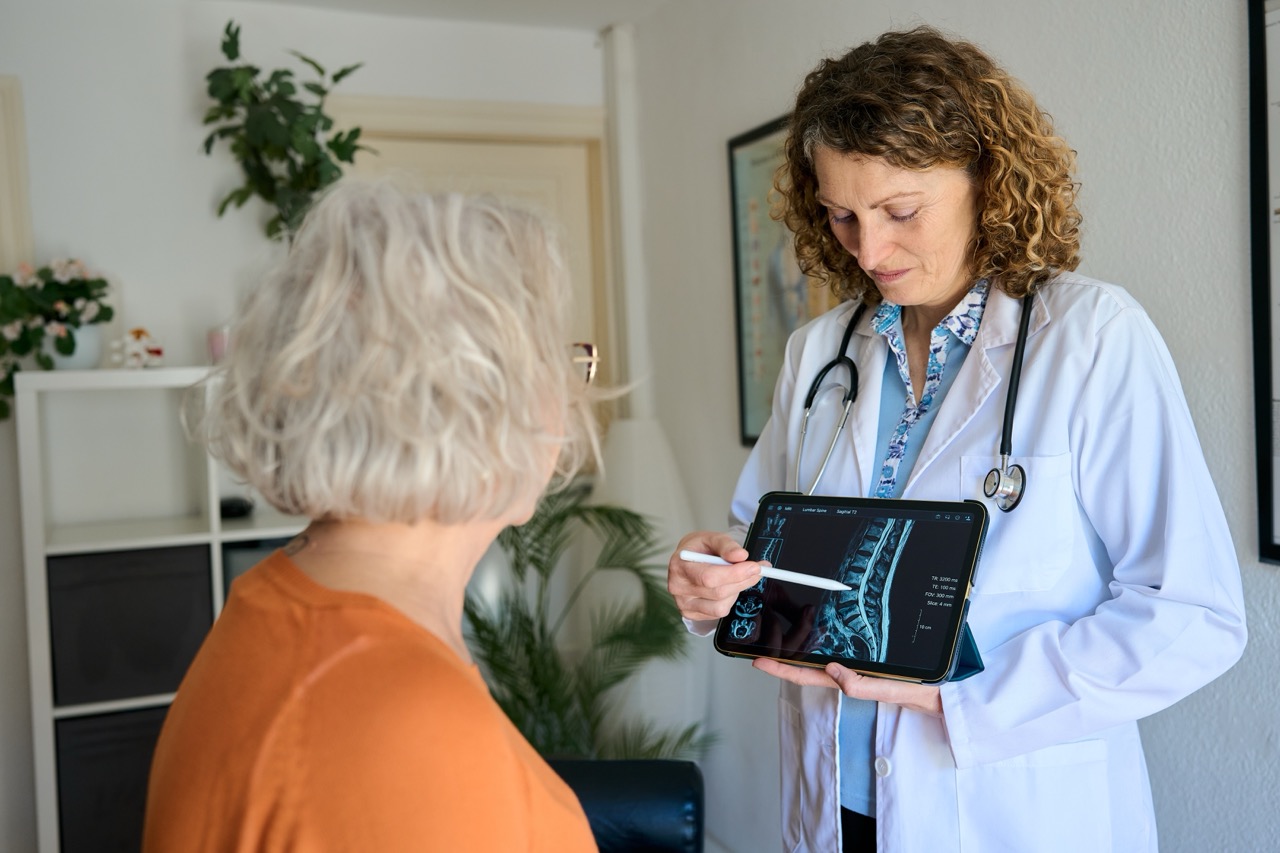
Early evaluation can prevent a manageable condition from becoming a chronic one. The spine specialists at Ohio Sports and Spine Institute use a thorough diagnostic approach to identify the root cause of your pain, not just manage the symptoms.
Treatment Options for Low Back Pain
Effective treatment starts with an accurate diagnosis. Depending on the cause and severity of your condition, our providers may recommend a combination of the following approaches:
Physical Therapy
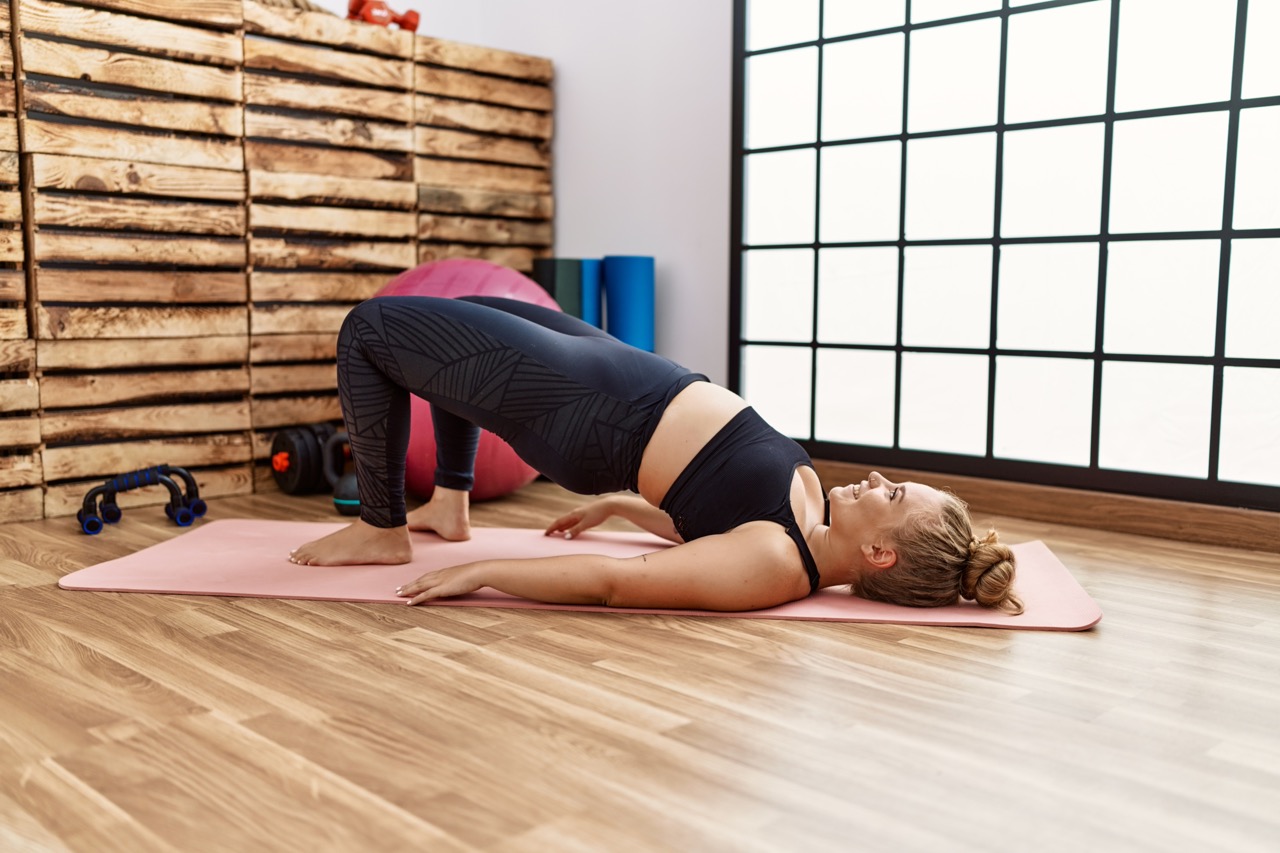
Targeted exercise programs strengthen the core muscles that support the spine, improve flexibility, and address movement patterns that may be contributing to pain. For many patients, physical therapy is one of the most effective long-term solutions for low back pain.
Chiropractic Care
Spinal manipulation and manual therapy techniques can help restore proper alignment, reduce nerve irritation, and improve mobility for patients with mechanical low back pain.
Medication Management
Anti-inflammatory medications, muscle relaxants, or other prescription options may be appropriate in certain cases to help manage pain and support recovery.
Minimally invasive procedures: For cases involving nerve compression or structural issues that do not respond to conservative care, interventional options such as epidural steroid injections or nerve blocks may be recommended.
What You Can Do at Home
While professional care is important for persistent or severe low back pain, there are steps you can take at home to support your spine health:
- Stay as active as possible within your comfort level. Prolonged bed rest can actually slow recovery.
- Apply ice or heat as appropriate. Ice is generally helpful in the first 48 to 72 hours after acute injury, while heat can ease chronic stiffness.
- Evaluate your workstation setup. Proper chair height, monitor position, and lumbar support can make a meaningful difference.
- Focus on sleep position. Sleeping on your side with a pillow between your knees can reduce stress on the lumbar spine.
- Maintain a healthy weight. Excess body weight, particularly around the midsection, increases mechanical load on the lower back.
Get to the Root of Your Back Pain with Ohio Sports and Spine Institute
Chronic or recurring low back pain is not something you have to simply live with. At Ohio Sports and Spine Institute, our experienced team of spine specialists, physical therapists, and chiropractors takes an integrated approach to diagnosing and treating low back pain at its source. We serve patients throughout Northeast Ohio, including the greater Youngstown area and surrounding communities.
If you are ready to stop guessing and start healing, contact our office today to schedule a consultation. Relief is possible, and we are here to help you find it.